Holiday slip-and-fall accidents can turn into real injury claims when wet floors, poor lighting, crowded stores, or parking-lot hazards are involved. This article explains liability questions, contributory negligence, and why timing matters in North Carolina.
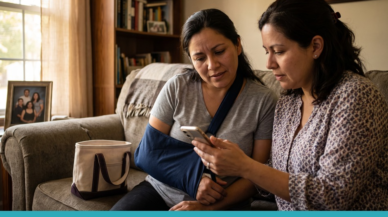
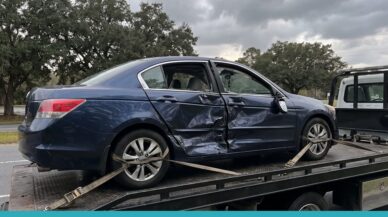
A holiday crash in Wilmington or Leland can leave you juggling pain, family plans, vehicle damage, and insurance calls all at once. This article explains practical first steps after a North Carolina holiday accident and why early documentation matters.
An SSD reconsideration denial does not end the case. This article explains what usually happens at the ALJ hearing level, how the hearing is requested, what evidence matters, and why updated records can change the picture.
Winning a disability case does not automatically mean every waiting month is paid the same way. This article explains how SSD back pay is usually calculated and why onset dates, filing dates, waiting periods, and SSDI-versus-SSI rules matter.
An Uber or Lyft crash can leave an injured passenger caught between insurers with different answers. Learn what trip information to save, why the driver's app timeline matters, and how to get help reviewing coverage questions.
Social Security Disability appeals often rise or fall on the strength of the record, not only on the diagnosis name. This article explains what kinds of medical evidence can help show severity, treatment history, and work-related limitations.
Finding out the other driver had no insurance can make a North Carolina crash feel hopeless, but it does not always end the claim. This article explains uninsured-driver issues, your own coverage, and why documentation still matters.
A company's denial does not settle who is responsible after a North Carolina work-vehicle crash. Learn which questions and records can help an injured person understand the next steps without relying only on the company's explanation.
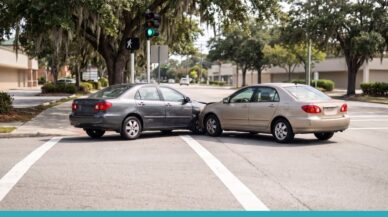
North Carolina is one of a small number of states that still applies pure contributory negligence. If a jury finds you even one percent at fault for the accident, you recover nothing. Insurers use this rule aggressively to deny claims.
A Prayer for Judgment Continued blocks a conviction under North Carolina DMV rules, preventing license points from being assessed. But the insurance rule is separate and stricter: insurers are not bound by the DMV rule and apply their own Safe Driver Incentive Plan standards.
Want Google to Let You Know When We Post Next?










 ES